Theme Panel

Jemma Ahmed
Advancing Research and Shift UX Curator

Robert Fabricant
Co-Founder & Partner, Dalberg Design

Sean McKay
Founder, Product Strategy & Design Consultant, Whole Product Thinking
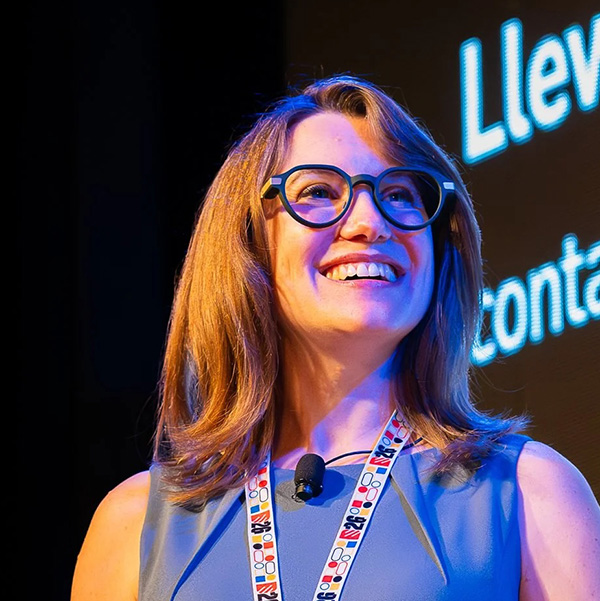
Llewyn Paine
Principal of Innovation Strategy, Llewyn Paine Consulting

Kate Towsey
Author of Research That Scales

Noah Bond
UX Research Lead, Hinge
Summary
Speakers from day 1 of the Advancing Research conference discuss insights from the day's theme: Reconceiving the Purpose of Research.
Key Insights
-
•
Radical acceptance and mindset shifts are essential to transition from extractive to relational research roles.
-
•
Diversity on research teams does not automatically produce equitable outcomes; ongoing learning and intentional trust-building are required.
-
•
Long-term partnerships with community groups help build trust and improve participant centering beyond one-off studies.
-
•
The term 'study' and treating research as discrete projects can reinforce power imbalances and should be reconsidered.
-
•
Research operations has a pivotal role in enabling inclusive participant recruitment to create diverse input in product lifecycles.
-
•
AI is simultaneously a threat to research skills due to automation and an opportunity if researchers lead tool evaluation and integration.
-
•
Rigid research methods like fixed discussion guides hinder meeting the varied humanity of participants in modern research.
-
•
Measuring research impact too narrowly by hours spent or quantitative metrics like NPS is limiting and misleading.
-
•
Advisory research roles that leverage accumulated knowledge over new data can be a strategic evolution in mature organizations.
-
•
Embracing a beginner's mind and creativity can make research work more engaging and adaptable amid rapid social and technological change.
Notable Quotes
"We must switch our mindset from extractive to relational, from creator to also curator."
"Skin folk aren’t necessarily kinfolk — diversity doesn’t magically prevent inequitable research."
"Research teams need to be strategic about building tools to do ethical research, not just diverse."
"I never talk about the business and the business value, there are people making decisions you should understand."
"Trust building and informed consent are things you can improve in research without stressing the business."
"Participation rates are falling, engagement rates are falling — this is a data quality crisis."
"I’d love to see the death of the discussion guide and the six-person qual study."
"AI is having the effect of de-skilling many roles, including researchers, so we need to double down on what we do well."
"The term ‘study’ rings of academia and reinforces power dynamics; I prefer continuous engagement instead."
"Embracing the beginner’s mind means everything is up for play and creativity, leading to more fun and innovation."
Or choose a question:
















More Videos

"It’s really important that we have impact goals. It’s not worth doing design if we’re not having impact on our residents."
Ariel KennanBuilding a Design Culture
June 9, 2017

"We need to add context to our conversations and take some power back when asked to prove impact."
Julie Norvaisas Pert Eilers Mina JonssonBack to basics, or start from scratch?
March 12, 2025

"Banks are among the hardest organizations to unify around a design system due to slow, deliberate change."
Nathan CurtisDesign Systems for Us: How Many One-Source(s)-of-Truth Are Enough?
January 17, 2019

"We want to keep our content evergreen by focusing on people skills and critical thinking, not just tools."
Louis Rosenfeld Peter Van DijckGenAI for UXers: A Rosenbot Demo and Discussion
September 11, 2025

"We want to feel valued and find satisfaction in our daily work."
Kit UngerTheme 1 Intro
June 8, 2022

"Culture is the sticky glue holding us together but flexible enough to allow us to move in new directions."
Chloe Amos-EdkinsA Cultural Approach: Research in the Context of Glocalisation
March 27, 2023

"Transformation is metamorphosis; it's often messy and aims to create systems out of chaos."
Sarah Kinkade Mariana Ortiz-ReyesDesign Management Models in the Face of Transformation
June 8, 2022

"Slack is the heart and soul of this conference, where the most intimate interactions happen."
Bria Alexander Louis RosenfeldWelcome
September 8, 2022

"Sharing meals is a really critical part of building trust which seems kind of strange but breaking bread together makes a difference."
Kim LenoxLeading Distributed Global Teams
May 20, 2019